



What is a Heavy-Duty Truck?
Heavy-duty trucks (typically referring to Class 8 vehicles with a Gross Vehicle Weight exceeding 14 tons) serve as the backbone of global logistics, mining, and infrastructure sectors. In the context of cross-border trade, a truck is not merely a means of transport; it is a capital asset. Its core value lies in the load-bearing capacity of its chassis, the stability of its powertrain, and its ease of maintenance.
Chassis Drive Logic and Industry Application Architecture
6x4 Drive (10-Wheeler):The classic dual-rear-axle drive configuration, balancing traction with fuel economy; this is the universal, mainstream configuration for dump trucks and tractor units.
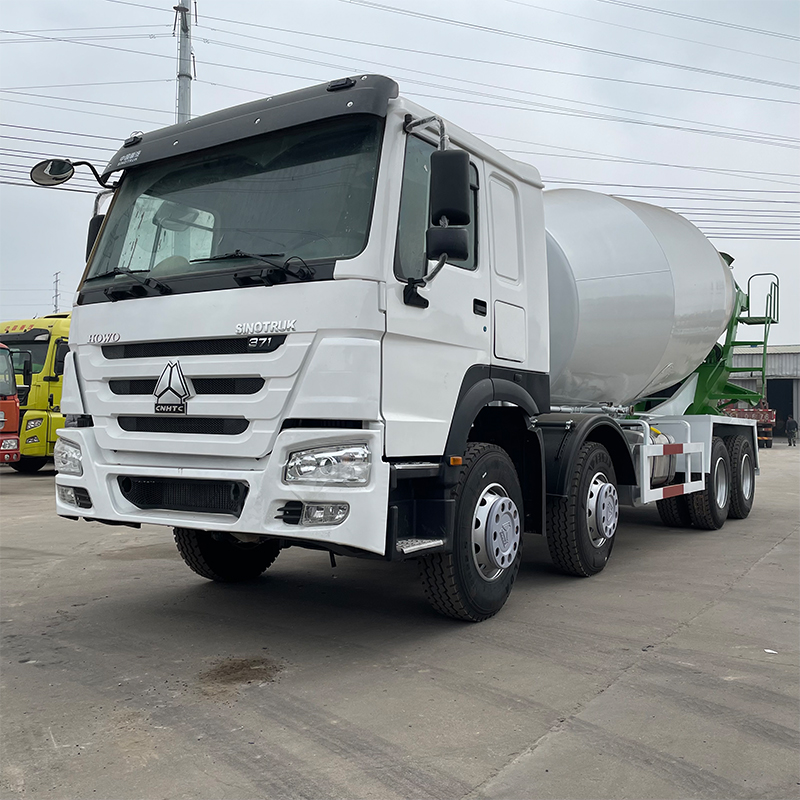
8x4 Drive (12-Wheeler): Features dual steering front axles, significantly increasing payload capacity and driving stability; commonly utilized for ultra-heavy-duty dump trucks and concrete mixer trucks.
The Power Heart (The Engine): An in-depth technical breakdown of the WD615 series mechanical-pump engine, analyzing why it maintains an exceptionally high operational uptime in environments characterized by high-sulfur fuels—such as those found in Africa and South America.
Layered Coverage of User Needs
1. Basic Needs: Common Questions and Specification Comparisons
FAQ (Frequently Asked Questions):
Q: What is the service life of a refurbished HOWO truck?
A: Following refurbishment according to Aorun's rigorous standards, the core powertrain can remain in service for an additional 5–8 years, with maintenance costs amounting to only 40% of those for a brand-new vehicle.
Specification & Parameter Table:
Fuel consumption performance of 371HP vs. 420HP engines under varying load conditions.
Application scenario differences between leaf spring suspension and air suspension systems.
Third-Party Endorsements and After-Sales Policies
Aorun's 100+ Inspection Standards:** Showcasing over 100 detailed refurbishment procedures—ranging from major engine overhauls and transmission calibrations to the installation of brand-new tires.
Export Compliance:** Providing a detailed breakdown of the application processes for export certifications—such as CE, CCC, BESC, and ECTN—demonstrating our professional expertise in customs clearance. Site Visit: We welcome you to tour our offices in Guangzhou, Yiwu, Jinan, and Jining—as well as our refurbishment facility in Liangshan—via video conference.
Multimedia Content Integration
Video Demonstrations:
Engine cold-start and high-pressure fuel system testing.
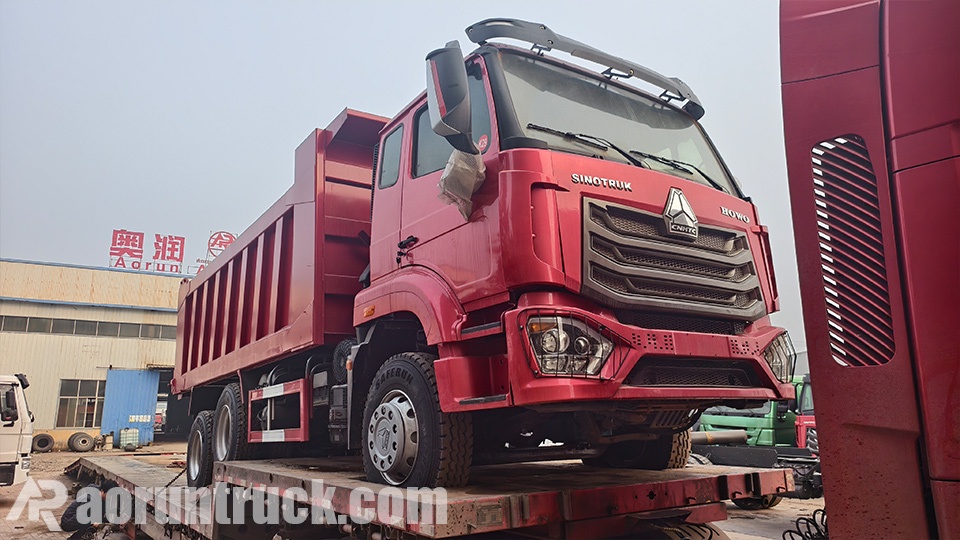
 Haohan 6x4 dump truck shipped to NigerA batch of heavily customized and reinforced Hohan 6x4 dump trucks has successfully completed final quality inspections at the Aorun factory and has officially been loaded for shipment.
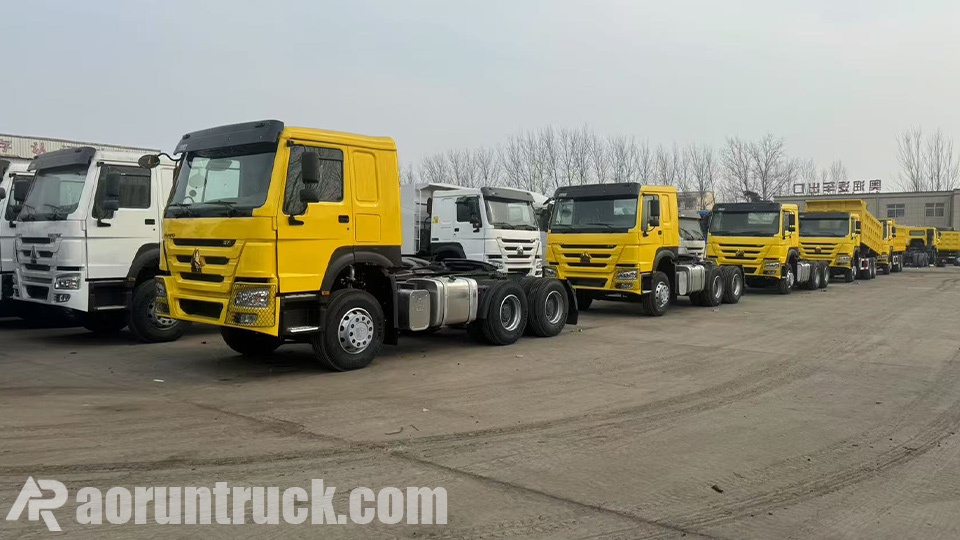
 Six refurbished heavy-duty trucks set off for ChadThree HOWO 6x4 tractor trucks and three HOWO 6x4 dump trucks have successfully completed Ro-Ro loading operations at a domestic port and have officially set sail for the landlocked African nation of Chad (N'Djamena).
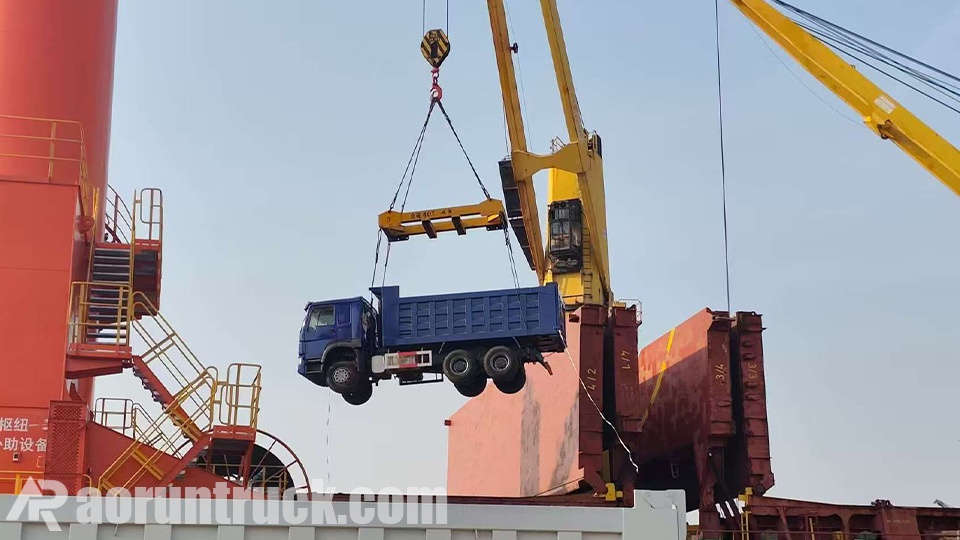
 Sinotruck Howo 371HP Dump Truck Shipped to MauritiusTwo HOWO 6x4 371hp dump trucks—having undergone Aorun's rigorous refurbishment process—smoothly drove into the hold of a Ro-Ro vessel, officially setting sail for the "Shimmering Pearl of the Indian Ocean": Mauritius.
 Jamaican Visit Guangzhou OfficeAorun’s Guangzhou office recently welcomed a key partner from afar—a veteran logistics provider from Jamaica. The two parties engaged in in-depth discussions regarding the growing demand within Jamaica’s heavy-duty freight market, with a particular focus on inspecting the HOWO series heavy-duty trucks, which are equipped with a 430-horsepower Weichai engine and a dual-fuel tank configuration.

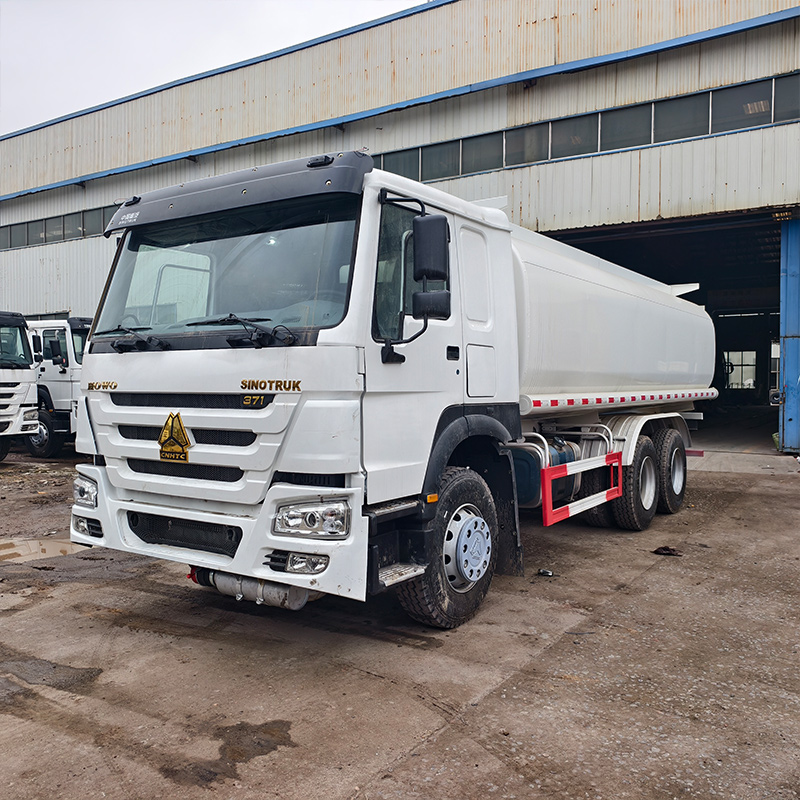
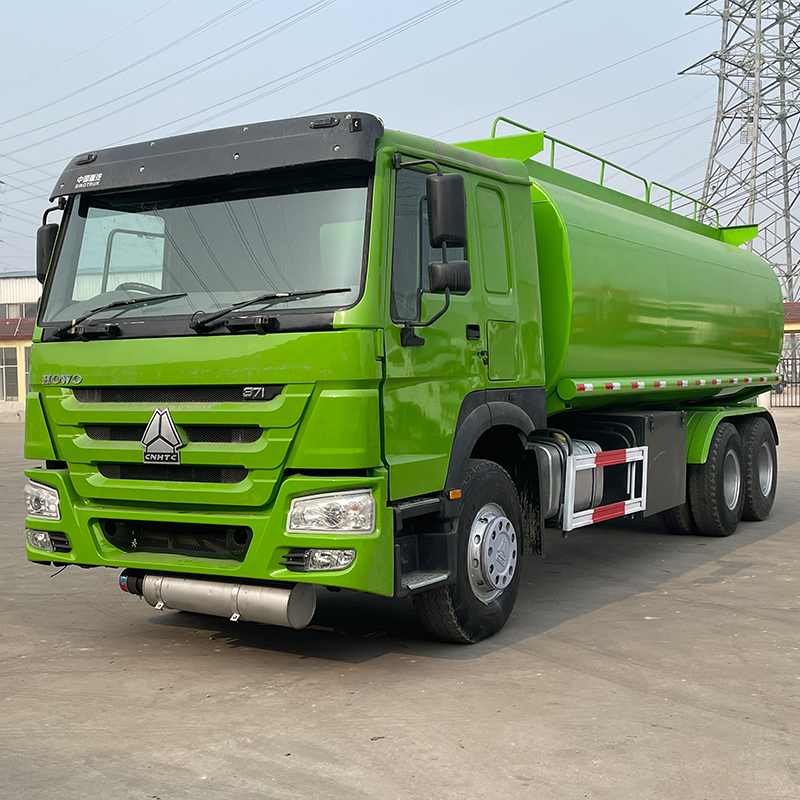
 20000L Water Tank TruckIn the field of energy transportation, safety is the bottom line, and efficiency is the lifeblood. With its exceptional chassis stability and precision tank manufacturing, the HOWO 20,000L Tank Truck has become the preferred choice for petroleum logistics fleets across East Africa, West Africa, and Central Asia.
 Howo Concrete Mixer TruckThe SINOTRUK HOWO 8x4 Concrete Mixer Truck is the industry leader for heavy-duty, large-scale construction projects. By combining a high-strength 4-axle chassis with an optimized mixing drum
 Rhd Fuel Tanker TruckSINOTRUK HOWO 6x4 Fuel Tanker Truck is the premier choice for transporting diesel, gasoline, and other liquid fuels across challenging terrains.
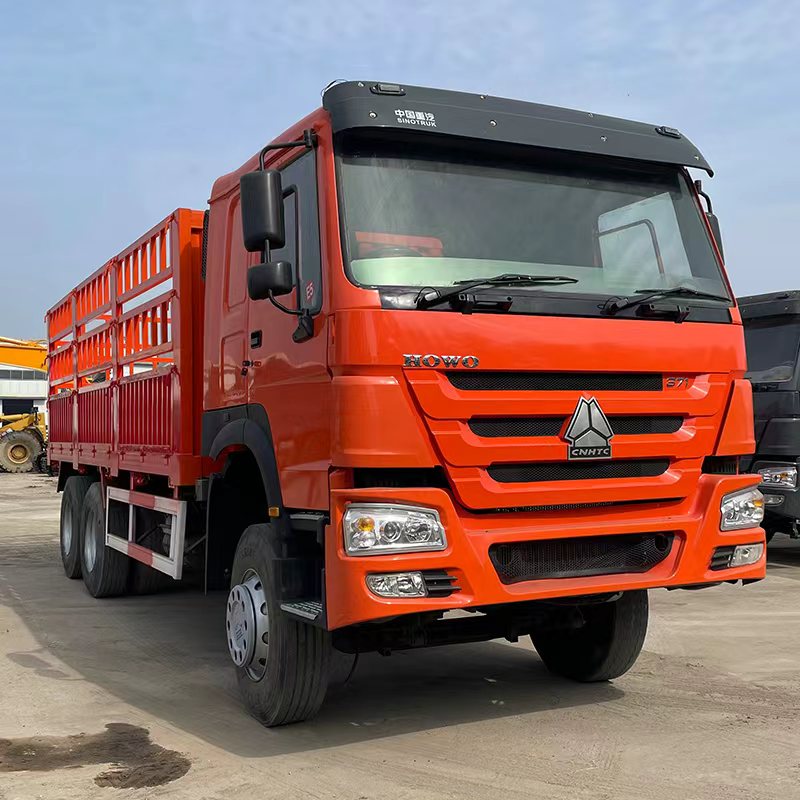
 Howo 6x4 Cargo TruckThe HOWO 6x4 Cargo Truck (also known as a Lorry Truck) serves as the backbone of international logistics and the intercity transport of bulk goods. Unlike a tractor unit, its cargo box is directly integrated onto the chassis frame, offering exceptional driving stability and independent loading capabilities—making it particularly well-suited for transporting agricultural products, construction materials, and bulk cargo.
Get real-time quotes
Interested? Leave your contact details.